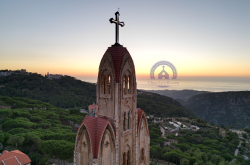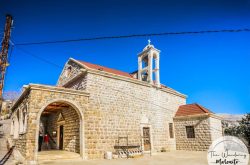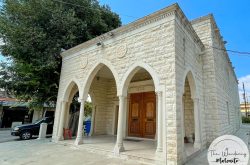

Aïn Ekrin – The church of St Edna

Saint Edna مار ادنا, Ain Aakrine, Lebanon

Other Details

كنيسة مار إدنا

Ain Aakrine

Koura

Mount Lebanon

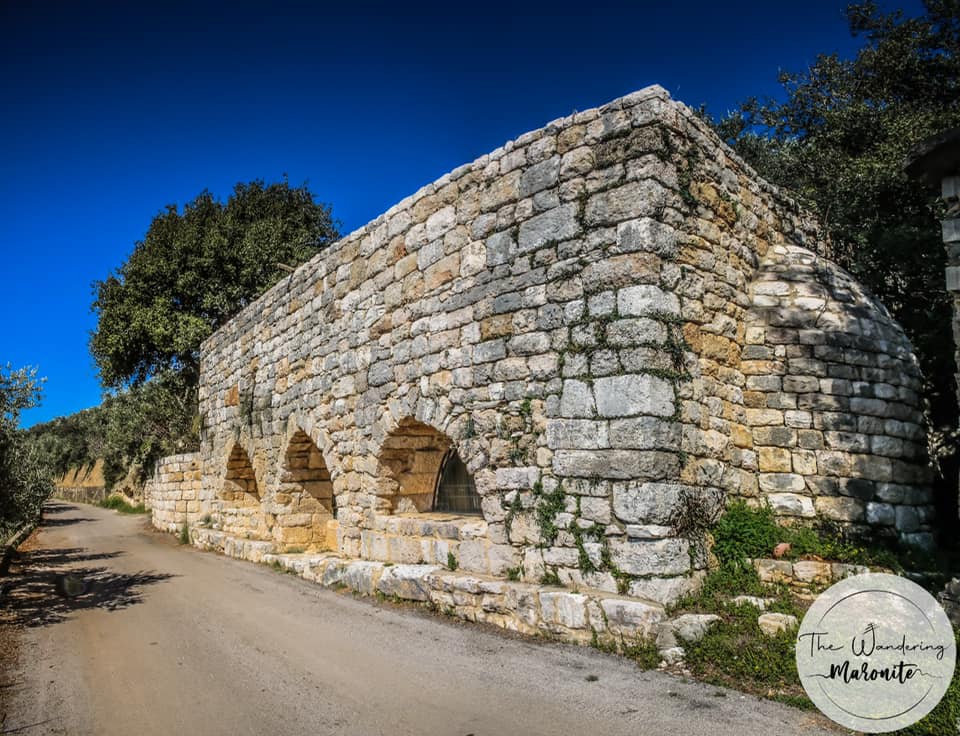
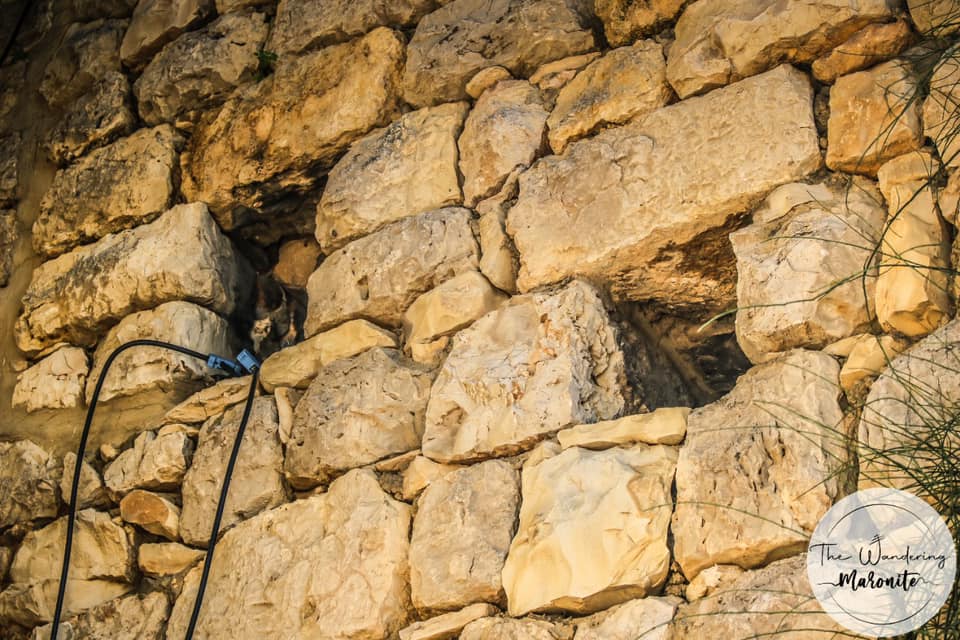
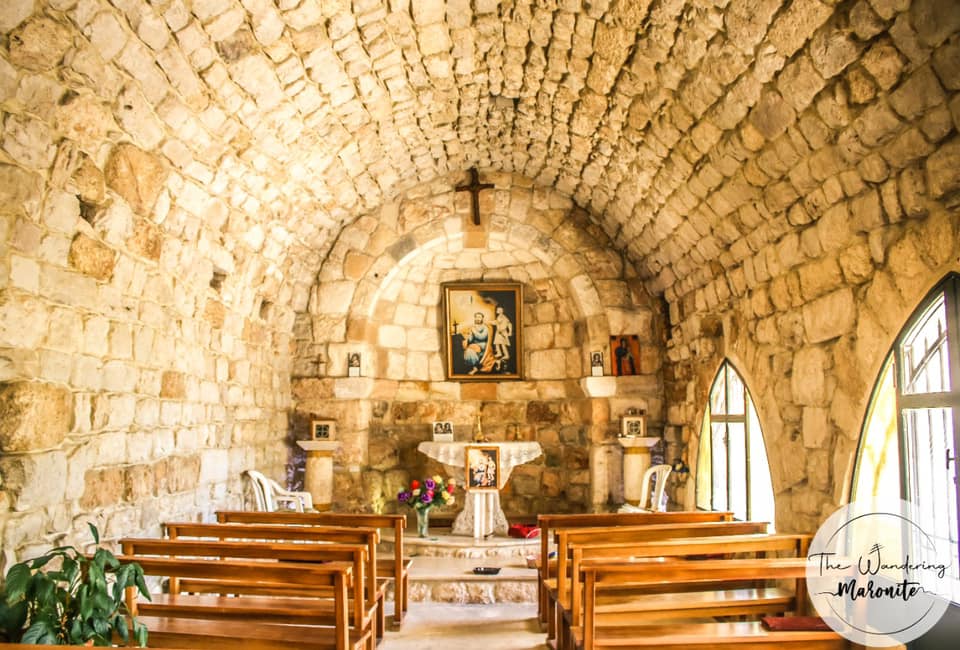
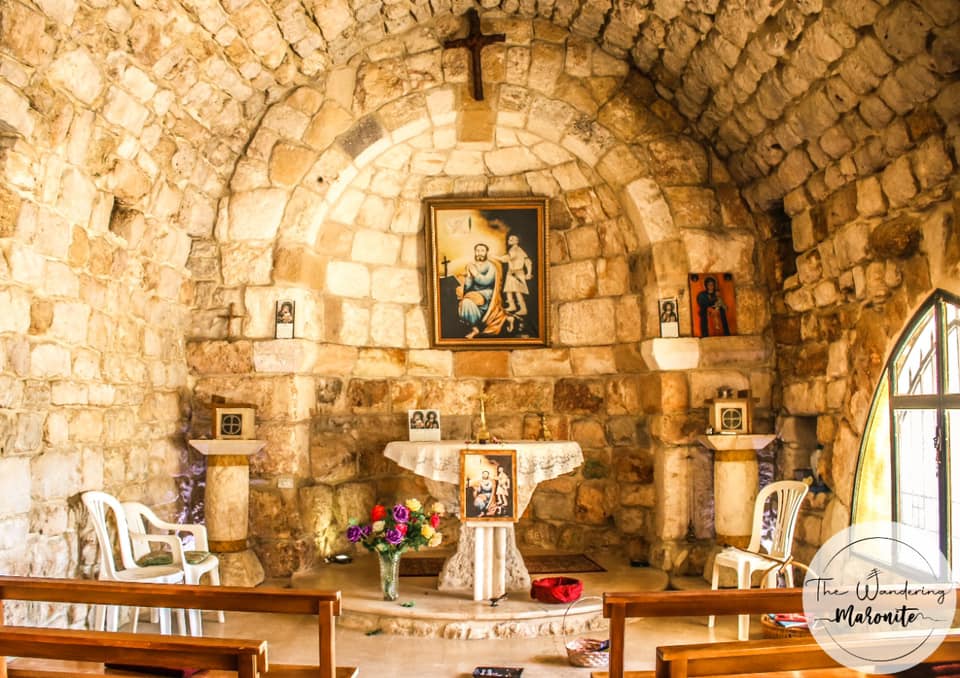
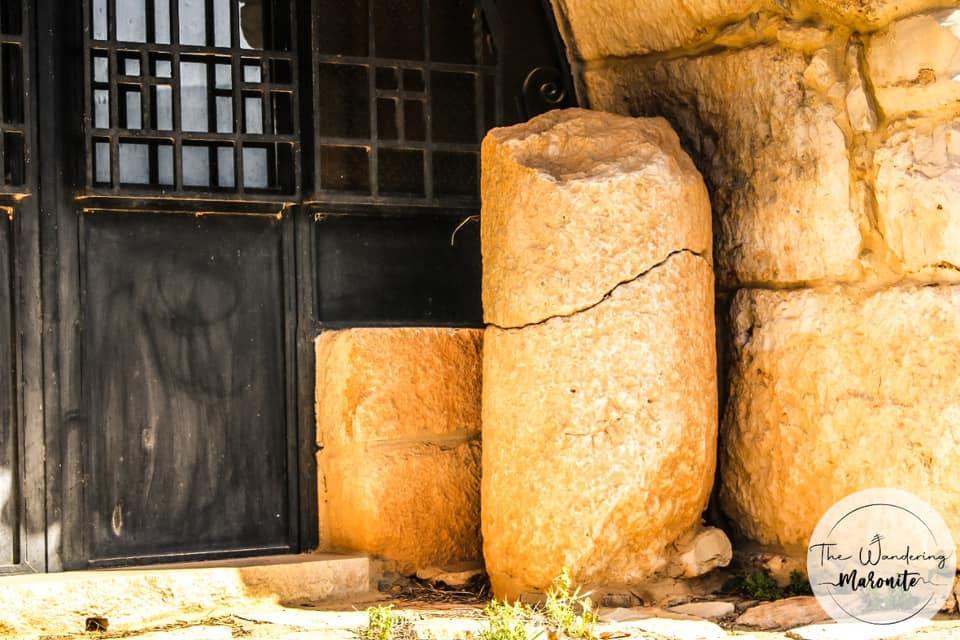
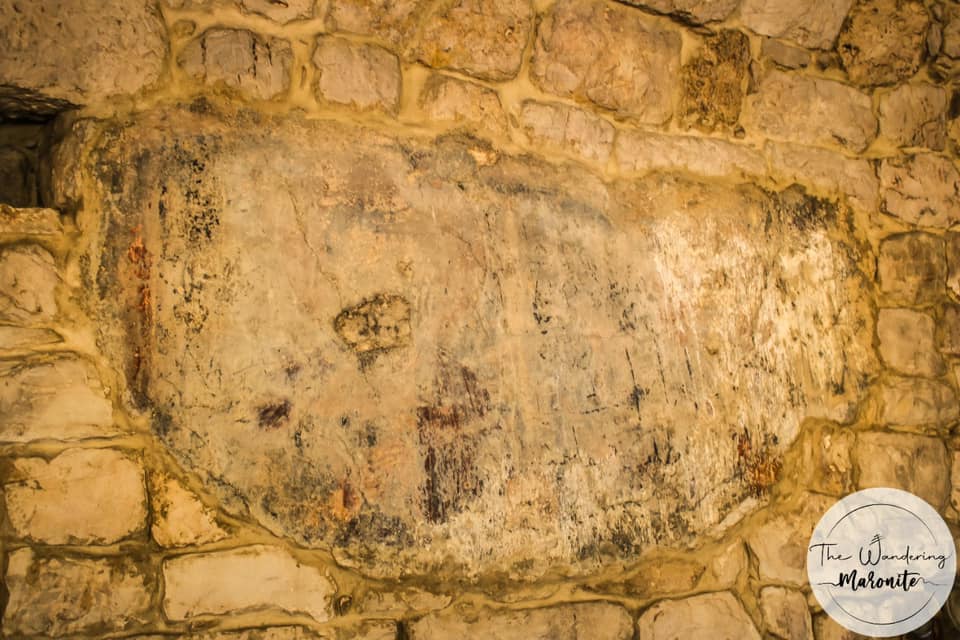
كنيسة مار إدنا - عين عكرينتقوم كنيسة مار إدنا في خراج بلدة عين عِكرين. بنيت على عِدَّة مراحل على أنقاضٍ رومانيّة قديمة. فهي بسوقٍ واحدٍ بعقدٍ سريريّ يحتوي على حنيَّة مُكوَّرة، وثلاثة قناطر في الجدار الجنوبيّ. على الحائط الشماليّ، بقايا جِداريّة، تعود الى القرون الوسطى . في الكنيسة لوحة نادرة لمار إدنا مرسومة على النحاس، كما وجد في داخلها بقايا رومانيّة. ومار إدنا هو لقب سريانيّ لمار طراخونبوس وهو شهيد من القرن الثالث وشفيع الأذن.The church of St Edna - Aïn EkrinThe ancient church stands in the vicinity of Aïn Ekrin built several stages over roman ruins. It consist of one nave with a crib vault, ending with a semi circular apse. The southern wall consists of three arched windows. The church holds a rare icon of St Edna painted on copper, and many roman poteries. The church also holds a medieval fresco. Edna is a Syriac nickname given to St Trakhonios, a Third century martyr, and the patron saint of ears.

Visited 4194 times, 4 Visits today

Reviews are disabled, but trackbacks and pingbacks are open.

Related Listings

Blat Byblos – The church of St Elias

St Elias Church, Blat, Lebanon

كنيسة مار الياس

Blat Jbeil

Jbeil

Mount Lebanon

كنيسة مار الياس - بلاط جبيل

الكنيسة في الأساس مبنيّة بحجارة معبدٍ رومانيّ بُني في زمان الإمبراطور انطونان التقيّ كما تشير النقوش اليونانيّة على جدرانها. تحوي الكنيسة على عدّة آثار من المعبد القديم كتمثال صنمٍ في آخرها. في القرون الوسطى تزيّنت الكنيسة بمجموعة من الجداريّات ما زال قسمٌ منها ماثل. الكنيسة كناية عن بناء بنمط بازيليكيّ بثلاث أسواقٍ وعقدٍ سريريّ. في عهد المماليك إستُعملت هذه الكنيسة كخانٍ للمُسافرين، وفي بداية العهد العُثماني إستُعملت إسطبلاً للخيل في قسمٍ منها، وفي القسم الآخر أُنشئت معصرة للزيتون. وآلت ملكيتها لمشايخ آل حمادة الشيعة. وفي أوآخر القرن الثامن عشر قَدَمَ الشيخ وهبه الدحداح الأول من كسروان وإستملك بلاط، فَحوَّل الإسطبل الذي أصبح من أملاكه الى كنيسة على إسم مار الياس وأعاد ترميمها، فكرَّسها المطران يوسف المريض في 4 كانون الأول ١٨٧٠. وفي العام ١٩١٩ ضربتها صاعقة، فأعاد الشيخ إسكندر كنعان وهبه الدحداح ترميمها. وفي العام ١٩٧٨ قامت المديريّة العامّة للآثار بترميمها على الشكل الذي تقوم عليه الآن. تضمّ الكنيسة لوحةً لمار الياس من عمل كنعان ديب الدلبتاوي.

The church of St Elias - Blat Byblos

The church was built with the spolias of an ancient roman temple built during the reign of the emperor Antoninus the pious. The church holds many remanences of the temple : greek inscriptions and an idol. The church’s structure is a three naved basilical plan with a crib vault. It used to be covered with frescoes some of them can be seen today. During the Mamluk’s era the church was converted into a caravanserai. Later on it was converted into a stable and an olive pressing mill and remained so during the Ottoman era when it became property of the Shia lords of the Hemade family. The church was bought by the Sheikh Wehbe el Dahdah when he came from Kesserwan and bought the village of Blat. The church was reconsecrated and dedicated to the Saint Elias the Prophet by bishop Youssef el Marid of the 4th of december 1870. It was damaged by a lightning stroke and restored in 1919 by Sheikh Kanaan Wehbe Dahdah. The church was renovated by the Lebanese Directorate General of Antiquities in 1978. The church holds a painting of Elias by Kanaan Dib.

Ouata Houb – Couvent Saint Antonios

- Couvent Saint Antonios - الرهبنة اللبنانية المارونية OLM, Wata Houb, Lebanon

دير مار أنطونيوس - حوب تنورين

1700

Ouata Houb

Batroun

North

بُني الدير سنة 1700، آن عَرض الشيخ سليمان الهاشم العاقوريّ على الرهبانيَّة اللبنانيّة المارونيّة أن يسلِّمها مزرعة حوب لتنشئ فيها ديرًا. حوالي سنة 1714، عرض أهالي تنُّورين على المؤسِّس المطران عبدالله قراعلي، أن يسلِّموه وقف مار ضومط، لتقوم الرهبانيَّة بتعليم الأحداث. أنشأت الرهبانيَّة، سنة 1749، ديرًا على اسم العذراء مريم، على أنقاض كنيسةٍ قديمة. ومن ثمَّ عملت الرهبانيَّة على توسيع أملاكها في المحلَّة. سنة 1766، أوقف الأمير يوسف شهاب خرائب مار يعقوب الوادي ومار أنطونيوس. وسنة 1790، جعلت الرهبانيَّة دير السيِّدة ودير مار أنطونيوس ديرًا واحدًا، حيث هو اليوم، على اسم القدِّيس أنطونيوس الكبير. قرب الدير أُنشئت محبسة على اسم مار جرجس خرّجت كوكبة من الحبساء القدّيسين. كنيسته تحوي مذابح رخاميّة ومجموعة زيتيّات أهمها لوحة مار انطونيوس الكبير لداود القرم.


The mission of the Lebanese Maronite order started in Tannourin during the year 1700 when a local feudal lord Sleiman Hashem el Akoury gave the order a farm in Houb to build a monastery. In 1714 Bishop Abdalla Qaraaly was given custody over the church of St Doumit in order to start a monastic school. In 1790 the monks joined the two monasteries of the Madonna and St Anthony into the one that stands today. Near the monastery St George’s hermitage was erected. The monastic church holds beautiful marble altars and many oil paintings. The most important painting is the one depicting St Anthony the Great, painted by Dawoud El Qorm

Zouk Mikael – The monastery of the Annunciation Khazen for the Visitandine nuns

Monastery of the Annunciation, Unnamed Road, Lebanon

دير سيّدة البشارة الخازن لراهبات الزيارة

Zouk Mkayel

Keserwan

Mount Lebanon

دير سيّدة البشارة الخازن لراهبات الزيارة - زوق مكايل

سنة ١٨٢٥ بعد وفاة الشيخ بشارة جفال الخازن، كرَّس البطريرك يوسف حبيش حارته ديراً على اسم سيّدة البشارة. كان الدير أوّلاً خاصًا ببنات عائلة الخازن، اللواتي نظمن حياتهنّ بحسب قانون مار فرنسيس السالسيّ لراهبات الزيارة. مع مرور الزمن أصبح الدير يستقبل كافة البنات اللواتي يُردن اعتناق الحياة الديريّة التأمليّة المحصنة. وراهبات الزيارة ما زلن يحافظن على نمط حياةٍ تقليديّ بحسب قانونهنّ. كنيسة الدّير مسقوفة، تتميَز بخوروس الراهبات الموجود آخر الكنيسة وهو أعلى من مستواها، خلف مكان جلوس العوام، يعلوه متخّتين للراهبات العجائز.

The monastery of the Annunciation Khazen for the Visitandine nuns - Zouk Mikael

In 1825 after Sheikh Bchara Jaffal el Khazen passed away, Patriarch Youssef Hbeich converted his estate into a nunnery dedicated to our Lady of the Annunciation. The nuns where essentially from the Khazen family and adopted the rule of St Francis of Sales for the visitandine sisters while remaining maronites. With time the monastery began to accept girls from outside of the Khazen family who wanted a strict observance and a contemplative way of life that is still practiced today. The chapel of the monastery is roofed, it is distinguishable by it’s nuns choir at the end of the church, and three mezzanines used by older nuns to participate in the liturgy.